
In 1924, a fire in the center of Cotuit’s business district burned out two stores, destroyed three buildings, and severely damaged two others. In 1925, the Santuit House burned to the ground. In 1926 a fire badly damaged the handsome estate on Bluff Point. The Cotuit Fire Department, Cotuit Chemical Company Number 1, conscientious but handicapped by lack of equipment, had already begun a search for remedies to these disasters. In July of 1925 it had appointed a committee to investigate the establishment of a Cotuit Fire District. The history of Cotuit Chemical Company, written and read to the Historical Society in 1959 by E. Ormand Dottridge, Jr., records at this committee, named by Fire Chief Ernest 0. Dottridge, consisted of E. Ormand Dottridge, Jr., Freeman M. Nicker son, and Bertram F. Ryder.
Cotuit had so small a population that it could not legally form its own District without special enabling legislation passed by the Great and General Court of the Commonwealth of Massachusetts. The Fire Department committee, therefore, approached state representative Harry Albro. He introduced the necessary bill into the Massachusetts legislature, where it receive final approval on May 8, 1926.
There were six sections to this enabling act. Section 1 established the District in accordance with the lines of Precinct 7 of the Town of Barnstable as laid out in 1894 and subsequently revised. Section 2 authorized the District to purchase fire equipment, to provide hydrants and a water supply, to provide street lights and sidewalks, and to plan “for any other thing that may lawfully be done by said District” according to state law. Other sections gave the Prudential Committee the authority to hire policemen and watchmen, permitted the District to raise money by taxation, and detailed the procedure for calling the first meeting. The final section provided that the Act would take effect on acceptance by a majority of qualified voters voting at a meeting called for that purpose.
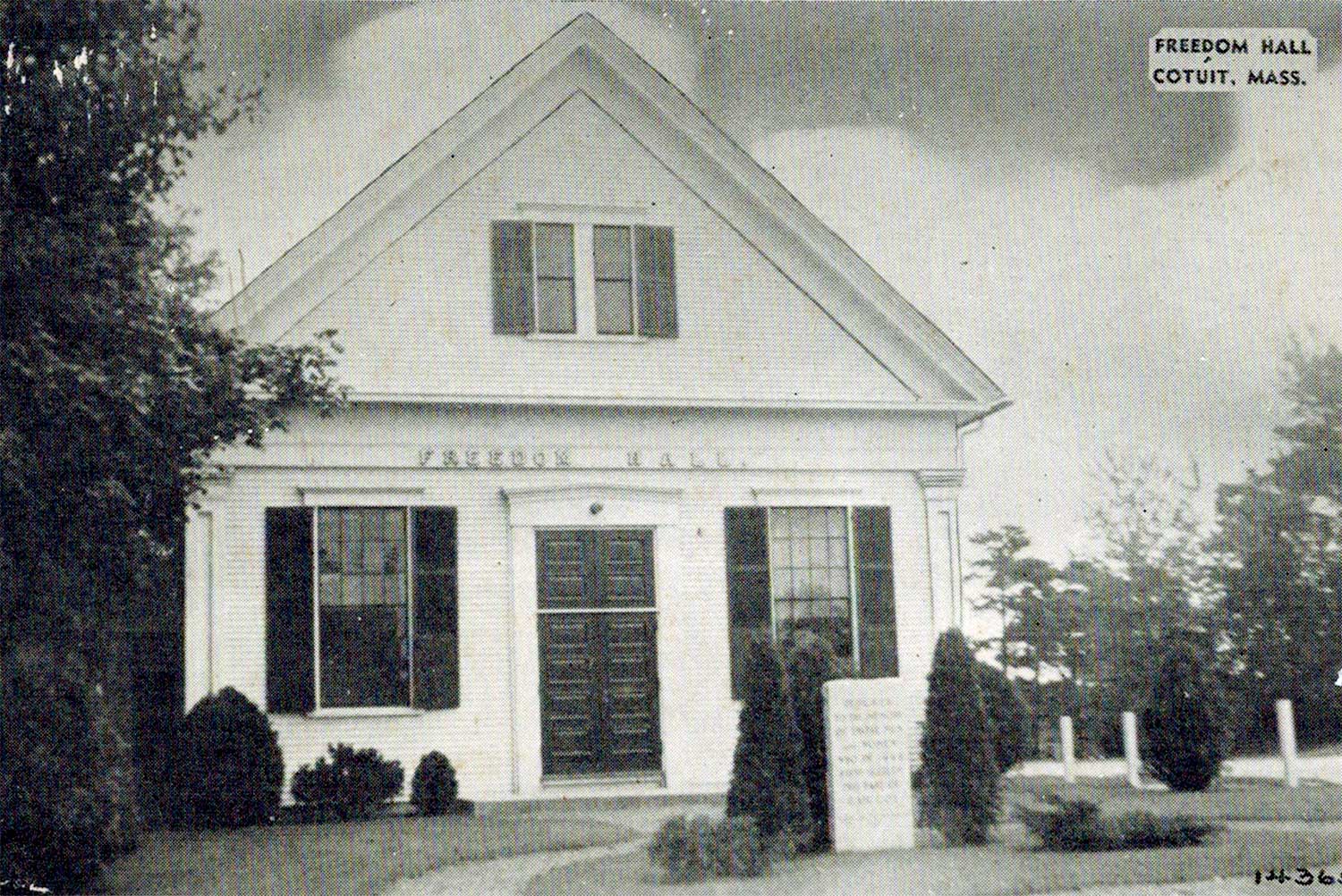
Under Section 5, the first meeting of the District would be called when five or more voters petitioned the Selectmen of the Town of Barnstable to call such a meeting and to prepare a warrant for it. The Fire Department committee wasted no time. A petition was presented to the Selectmen on June 1, 1926. Two of the signatories were Alexander Seabury Childs, who was ordered by the Select men to post notice of the first meeting, to be held on June 18, 1926, at Freedom Hall “at eight o’clock in the afternoon”, and E. Ormand Dottridge, Jr., who called the first meeting to order. The warrant was signed by Selectmen Edgar W. Lovell, Howard N. Parker, and William Lovell.
Attendance at that first meeting was slim. Only 28 voters cast ballots. After Ormand Dottridge had called the meeting to order and the warrant had been read, Calvin D. Crawford was elected temporary clerk from a list of eight nominees, and Alexander S. Childs was chosen Moderator. Then came the critical ballot on whether or not to accept the enabling legislation and actually establish the Cotuit Fire District. The final tally showed 22 affirmative votes, 6 negative. As of that moment, the Cotuit Fire District was a legal entity, those six doubters and several hundred absent voters notwithstanding.
By-laws for the new District had been prepared in advance and were now voted. They provided, among other things, that the Annual Meeting was to be held the second Monday in April and that all members of the Fire Department were to have framed copies of the by-laws hanging in their homes. This latter requirement is still among the official by-laws of the District. Ironically, at the District Meeting in 1967 a major complaint of the voters was that most people, in or, out of the Fire Department, had never seen a copy of the District by-laws.
After the adoption of by-laws in that first meeting, a recess was called to permit a nominating committee to prepare a slate of names for the first officers of the District. Though there is no record of who served on the nominating committee, older residents report that the names of a number of committee members appeared on the slate finally offered, a fact which may have been the basis for some of the personal frictions which intruded on District business in early years.The final business of the meeting was to direct the Prudential Committee and the Board of Engineers to investigate fire protection and its cost and to report to the next regular meeting.
There were two special meetings of the District in 1926. In August, the District voted to accept the equipment, buildings, and funds of the Cotuit Fire Department. Thus ended the existence of Cotuit Chemical Company Number 1. At that meeting, too, $1,000 was appropriated to cover all District expenses for the year. In September, the resignations of the Treasurer and the Chief Engineer were accepted. Herbert L. Snow was elected Treasurer, an office he was to hold from that time until his retirement at the 1967 Annual Meeting last February. The election for Chief Engineer was typical of the strong competition for that post which was to continue for many years. Alexander Seabury Childs was elected with 19 of the 38 votes cast. W. Christie Rennie received 18 and Milton H. Crocker 1. The results of this election were reversed at the following Annual Meeting when W. Christie Rennie was elected and reversed again in 1928 when Seabury Childs again became Chief. Such changes in the Board of Engineers have occurred more frequently than in any others of the District offices.
 The pattern for handling the District’s business was set in that first year. There were subsequent shifts of the date of the Annual Meeting, first to the second Monday in March, then to the second Monday in January, and finally in 1938 to the present date, the second Monday in February. Occasional efforts were made to extend the scope of the District officers’ responsibilities. Perhaps the most ambitious was undertaken in 1929 when the voters approved a resolution offered by Calvin D. Crawford ordering that “the Moderator and Clerk appoint a Committee to consist of one man from the Oyster business, one from the Cranberry business, one connected with the summer people, a farmer, and one of the retail store men to study periodic unemployment in our District, and to derive means of overcoming it.”
As much as one might like to know the results of its deliberations, there is no record of this committee’s ever having issued a report. And though the feeling has often been expressed that the members of the Prudential Committee should act as the “town fathers”, the officers of the District have generally stayed close to their defined responsibilities of the enabling legislation, to provide fire protection, water, and street lights. For the purposes of this paper, it seems best now to consider these functions separately.
MISCELLANEOUS:
- The handsome seal of the Cotuit Fire District was designed by Cotuit’s favorite artist, Reginald F. Bolles, and presented to the District at a special meeting in July of 1939. The framed original still hangs in Freedom Hall.
- This District branched out into two other activities not provided for in its original enabling Act. Both of these were brought to the Annual Meeting in 1949. The Firemen’s Association felt the District should set up a World War II memorial in Memorial Park. Frederick Harlow and Calvin Crawford thought the financially hard-pressed Cotuit Library should have support from the District. The voters authorized the Prudential Committee to proceed with both these matters, which required special enabling legislation, In 1950, the District voted to accept Chapter 351, Acts of 1949, entitled “An Act authorizing Cotuit Fire District to raise and appropriate money for the benefit of the Cotuit Public Library and for the purchase of War Memorials in said District.” $1,000 was appropriated to purchase a suitable World War II memorial and to place it and the World War I memorial in the park. A special committee of William H. Perry, Jr., Antone R. Souza, Robert F. Hayden, John Botello, and I. Louis Campbell was appointed to see to this matter. An additional $200 was appropriated in 1951 to complete the work. At the same time an annual appropriation of $250 for the Cotuit Library was begun. In 1967 the figure was increased to $500.
- One final word should be said about finances. The total expenses of the District in its first year of existence were $336.07. That was at a time when the voters were still wary of their new creation and especially of new taxes. As the years have passed, however, more and more services have been demanded of the District, and costs have risen inevitably. The Cotuit Fire District is the only district in the Town which owns and maintains a Hall – or which contributes to the local public library. It has one of the purest water supplies in the area and a strong fire department. It also has the smallest population of any district in the Town. As a result, taxes have gone up. As recently as 1947 the tax rate was only $2.90 per thousand, though it had been as high as $4.90 ten years earlier. By 1966 the rate was up to $8.00 and may go higher in 1967. The bonded indebtedness of the District has increased rapidly, especially as a result of Water Department construction. The one thing that has kept the tax rate from going completely out of bounds has been the steady -increase in the District property valuation. In 1937 the valuation was $2,620,690. Thirty years later, the 1966 valuation was $5,162,990, almost exactly twice as high.
1926
Cotuit Fire District Established
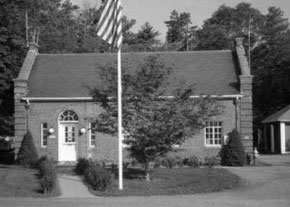
The Cotuit Fire District was formally created by Chapter 328 of the Acts of 1926, establishing an independent special-purpose district to provide fire protection and related municipal services to the village of Cotuit.
Late 1920s-1930s
Organization of Fire Protection Services
The District organized volunteer fire protection, established governance through the Prudential Committee, and began operating as a standalone municipal entity separate from the Town of Barnstable.
1935-1936
Authorization to Supply Public Water
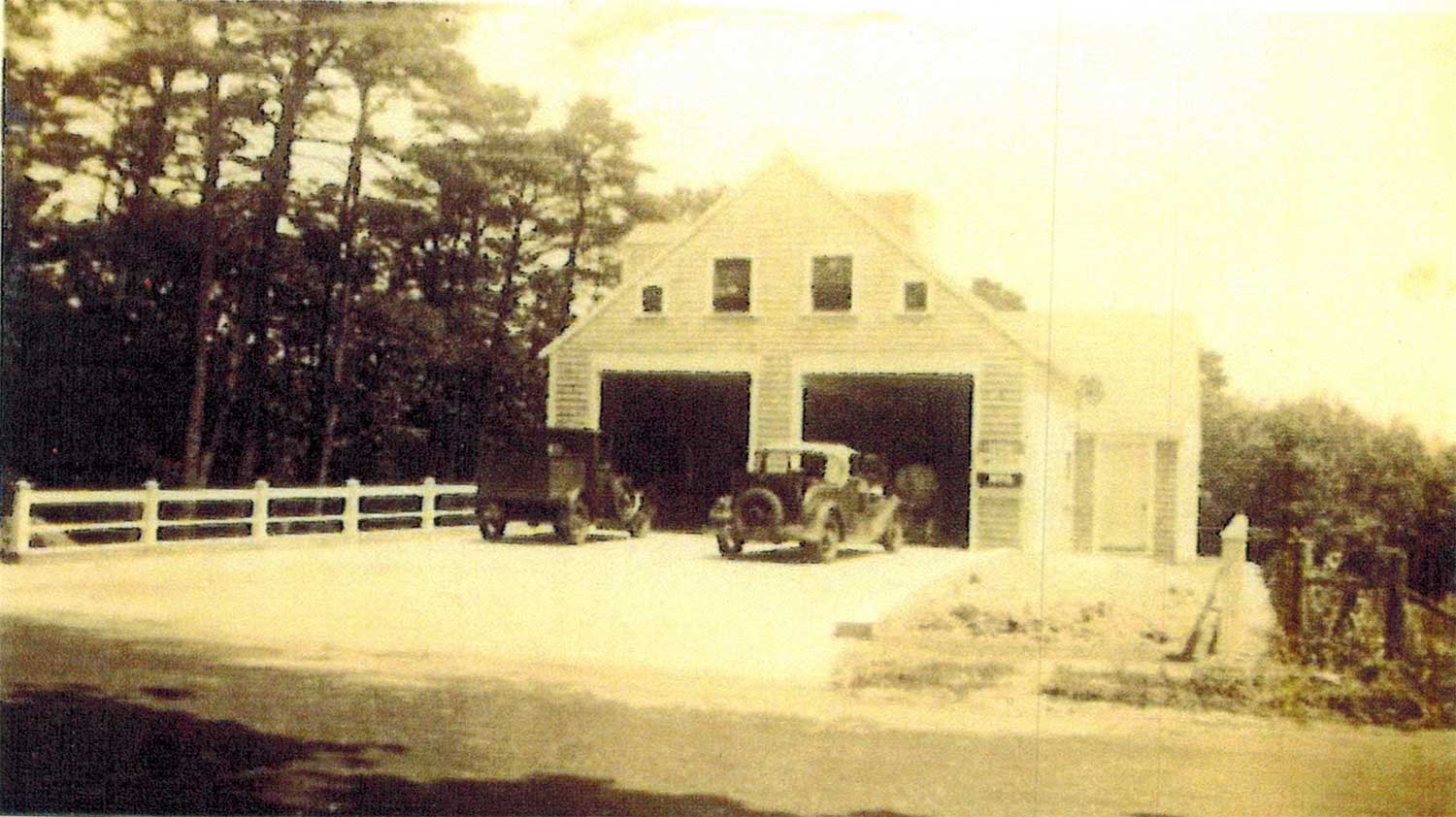
District voters accepted Chapter 244 of the Acts of 1935 at the 1936 Annual District Meeting, formally authorizing the Cotuit Fire District to develop and operate a public water system
1955
Expansion of Ambulance and Emergency Medical Services
When a secondhand ambulance became available, a special meeting of the District was called and on June 15, 1955 the purchase of Cotuit's first ambulance was authorized.
Today
A Modern, Financially Stable District
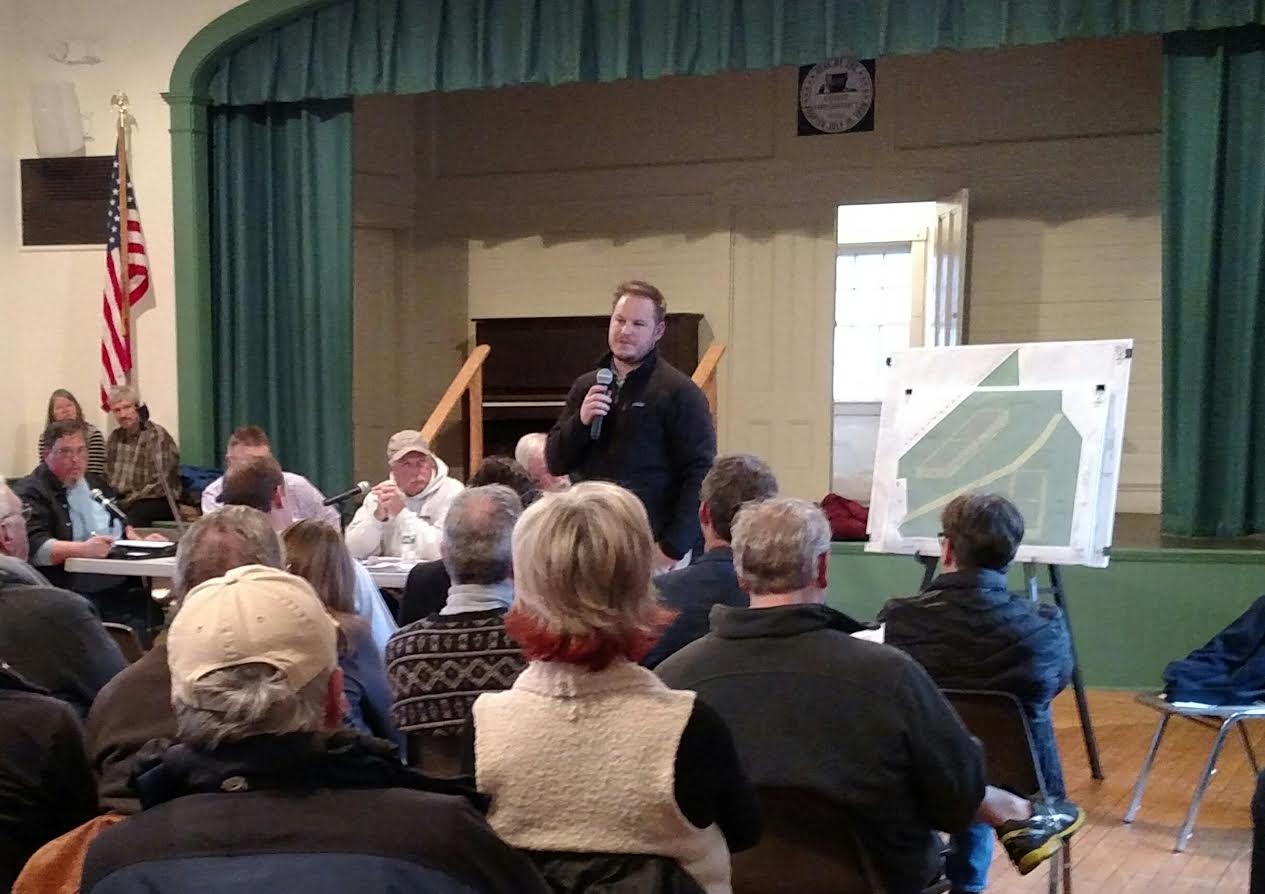
The Cotuit Fire District provides fire protection, EMS, public water service, and community facilities with strong financial reserves, professional staff, and active civic oversight.
History of the Water Department
Courtesy: Historical Society of Santuit and Cotuit
Written by: GORDON M. BROWNE, JR., July 14, 1967
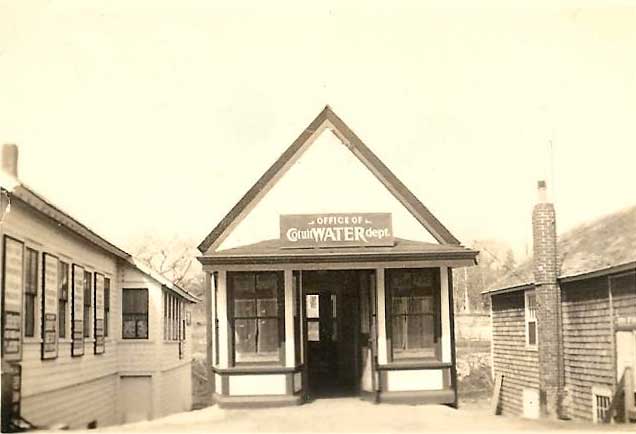
Water Office, School Street, near site of present Kettle-Ho
Plans for developing a water department within the Fire District were talked about early in its history, but it was not until the special meeting of February 15, 1935, that $500 was appropriated to permit the Prudential Committee to employ engineers to make plans and estimates for a water department. Calvin D. Crawford, Ernest 0. Dottridge, and Burleigh Savery seem to have been the moving spirits behind the proposal, though others were undoubtedly involved. Support for the idea was far from unanimous, that first appropriation being approved only 19 to 9.
Though an article was introduced into the warrant of the 1935 Annual Meeting to establish a water system, the Prudential Committee asked for and was granted a continuance of that article to a future date. . Meanwhile, special enabling legislation was introduced in the Massachusetts legislature. At the Annual Meeting in 1936, the voters voted to accept Chapter 244 of the Acts of 1935, entitled “An Act authorizing the Cotuit Fire District to supply itself and its inhabitants with water for the extinguishment of fires and for domestic use.” The system was to be built as a PWA project, but guarantees of federal funds were slow taming through. An article calling for the election of water commissioners was, therefore, tabled, and the Prudential Committee was instructed to call a special District meeting when such guarantees were forthcoming.
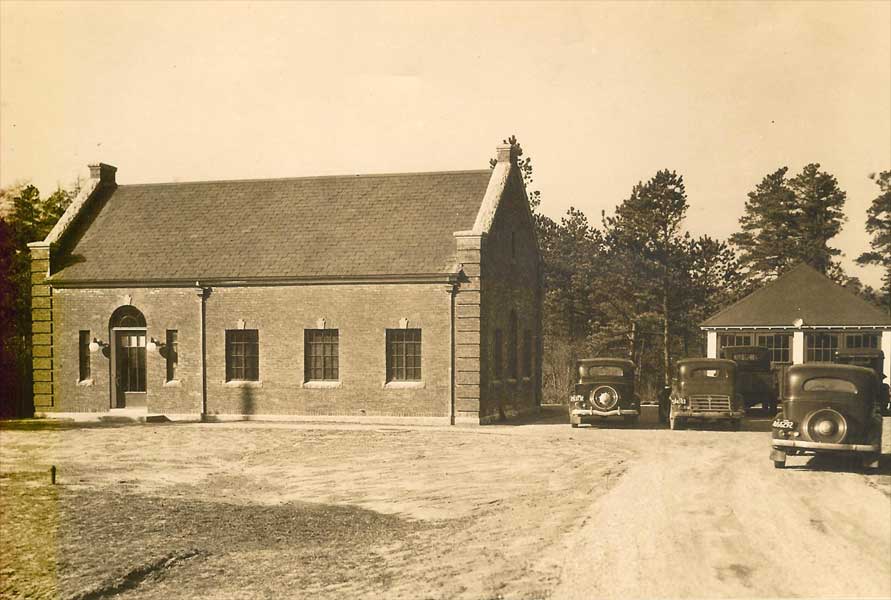
Water Department building, circa 1935, Falmouth Road, under construction
At a special meeting on February 3, 1936, unanimous approval was given to the construction of the water system. Kenneth Turner, William H. Perry, and E. Ormand Dottridge, Jr. were elected the first water commissioners, and they and the Prudential Committee were authorized to proceed with construction of the project. $164,650 was voted for the purpose, of which only $650 was to be raised that year by taxation; $72,000 was to come from the federal government as a PWA project grant, and $92,000 was to be borrowed on a 30 year loan, a loan which has been finally paid off only with in the past year.
The first water service to an individual dwelling was connected in December, 1936, the water coming from the well field north of route 28 in Santuit. Within a year there were 114 services in use, most of them using less than the 40,000 gallons for which the minimum charge of $24 was paid. That minimum charge continues up to the present, though charges for use beyond the 40,000 gallons have been modified several times. In its first full year of operation the water department pumped 14,318,200 gallons of water. Its largest week was August 1- 7 when 860,400 gallons were pumped. It is interesting to compare these figures with those for a recent year, such as 1963 when 66,656,000 gallons were pumped and when 5,072,200 gallons were pumped in the week of July 1-7. William H. Perry, Jr., as the first superintendent of the water department, became the District’s first full-time employee. Even now in 1967, the Superintendent and Assistant Superintendent of the Water Department are the only full-time employees of the District, an example of restraint in bureaucratic expansion which other levels of government might be encouraged to consider.

Water Tower, Main Street, circa 1936
Acquisition of large tracts of land for public purposes is always difficult, and there were problems about acquiring the first well field and water shed area. Typically, a very small piece of acre was the problem and involved a law suit which was several years being settled. The District immediately began a program of water shed development and protection on the rest of its property, planting some 4700 seedlings over a four year period. Though a number of these trees were subsequently stolen, especially at Christmas time, this early planning and work has helped substantially to protect Cotuit’s pure water supply.
With the opening of the amphibious engineers training camp off Old Post Road in 1942, the Water Commissioners were authorized to enter into arrangements with the Federal authorities for the installation of additional wells and the extension of water mains along Old Post Road to Camp Candoit. This was done at no expense to the District.
1950 was an especially strenuous year for the Water Department. The Kelly Corporation of Arlington, Massachusetts, proposed to build 59 small homes in Cotuit and sought to have them supplied with village water. This came at a time when engineers were warning that the Water Department was already over extended and needed additional water supplies. Opposition to the Kelly development was widespread and vocal in the community. Resolutions were passed opposing it, and letters were written to state and federal officers to try to block it. An appropriation to extend the water mains into the development area was voted down. The Kelly Corporation then offered to install all mains, hydrants, and service connections according to District specifications and inspection and then to give them to the District if they could have water. The Commissioners refused this offer. Finally a representative of the Kelly Corporation asked for water service at his development home, was refused, and brought suit to get it. Interested individuals paid the District’s legal fees, and the Commissioners won the case. Instead of buildings 59 houses, the Kelly Corporation built 41, each with its own water supply system.
This episode was surely one of the most controversial in District history. Some persons point out that by its firm resistance to supplying water to the development, the District forced a 30% reduction in the number of houses actually built. On the other hand, many people, even among those who opposed the development, point out that the District could have been receiving water revenue all these years from those homes, could have had better fire protection with water in that area, and could have had the whole installation free instead of having to pay for it piece-meal through the years as extensions are built with tax money and owner guarantees. The only certainty is that, rightly or wrongly, the District officers acted in what they conceived to be the best interests of the District. Fortunately, any objective view of the history of the District shows this always to have been true.
The following year, the District voted the necessary expansion of water supplies, and the sub-station and well field off Main Street were built. The same year the Commissioners reported that they were considering fluoridating Cotuit water, but this was never done, and the water flowing from Cotuit taps remains untreated in any way.
In 1956 a second elevated tank, this one near the new school, was authorized. Finally, in 1962 and 1963, funds were appropriated for a third well field and pumping station, which gives enough strength to the Cotuit water system so that it should provide amply for village needs for many years to come.
One of the major remaining problems for the Water Department is the most equitable way to continue the extension of mains until the whole District is covered. In the past, short extensions have been provided from tax money and larger ones by a guarantee or joint payment plan with the customer. As an effort is made to carry water beyond the center of the village, each of these plans raises problems. At the time of the writing of this history, the Commissioners were again wrestling with the problem of finding a way to provide extensions with fairness to water customers and to the District alike. Meanwhile, the demand for good, pure Cotuit water grows each year.
Water Commissioners
| Kenneth Turner | 1936-1969 |
| William H. Perry | 1936-1951 |
| Ernest O. Dottridge, Jr. | 1936-1951 |
| George C. Campbell | 1951-1951 (resigned) |
| I. Louis Campbell | 1951-1952 |
| William G. Ball | 1951-1959 |
| Thomas Rennie | 1952-1960 |
| Edward W. Moore | 1959-1971 |
| Philip Brackett | 1960-1966 |
| F. Maynard Gifford, Jr. | 1966-1975 |
| Joseph Hallett | 1970-1976 |
| James E. Downey | 1971-1975 |
| James P. Souza | 1975-1983 |
| Harry A. Ashley | 1975-1978, 1980-1981 |
| James R. Irwin | 1976-1980 (deceased) |
| Richard S. Knowlton | 1978-1980 (resigned) |
| David Pina | 1980-1987 |
| William O. Wool | 1981-1988 |
| Paul H. Wiggins | 1983-1992 |
| Marion McConnell | 1987-1990 |
| John N. Anderson | 1988-1999 (resigned) |
| Susan G. Rask | 1990-1992 (resigned) |
| John A. Thomas | 1992-2005 |
| Gaetano G. Calise, Jr. | 1992-2013 |
| Frederick Kiely | 1999-2015 |
| Theodore M. Barnicle | 2005-2017 |
| Donald Campbell | 2013-2019 |
| Victor Mastro | 2015-2018 |
| Thomas Hoppensteadt | 2017-2023 |
| Mark Robinson | 2018-present |
| Scott Horsley | 2019-present |
| David Churbuck | 2023-present |
Superintendents
| William H. Perry, Jr. | 1936-1946 |
| Stanley W. Turner | 1946-1950 |
| George Gardiner | 1950-1954 |
| F. Maynard Gifford | 1954-1966 |
| Earle McDowell | 1966-1977 |
| Charles Medchill | 1977-1986 |
| Leonard Mendes | 1986-2001 |
| Kenneth Ventura | 2001-2007 |
| Christopher Wiseman | 2007-present |
History of the Prudential Committee
Courtesy: Historical Society of Santuit and Cotuit
Written by: GORDON M. BROWNE, JR., July 14, 1967
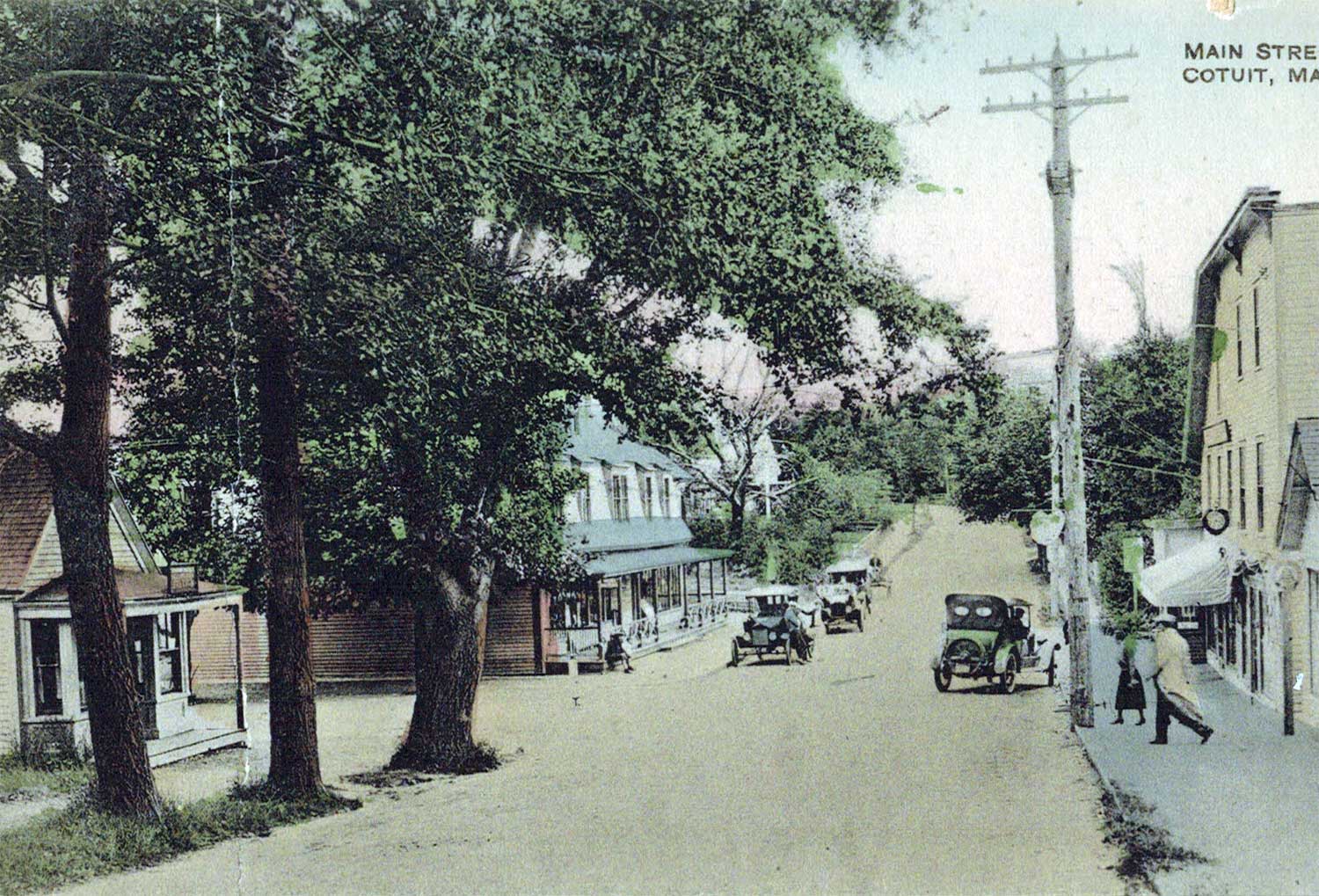
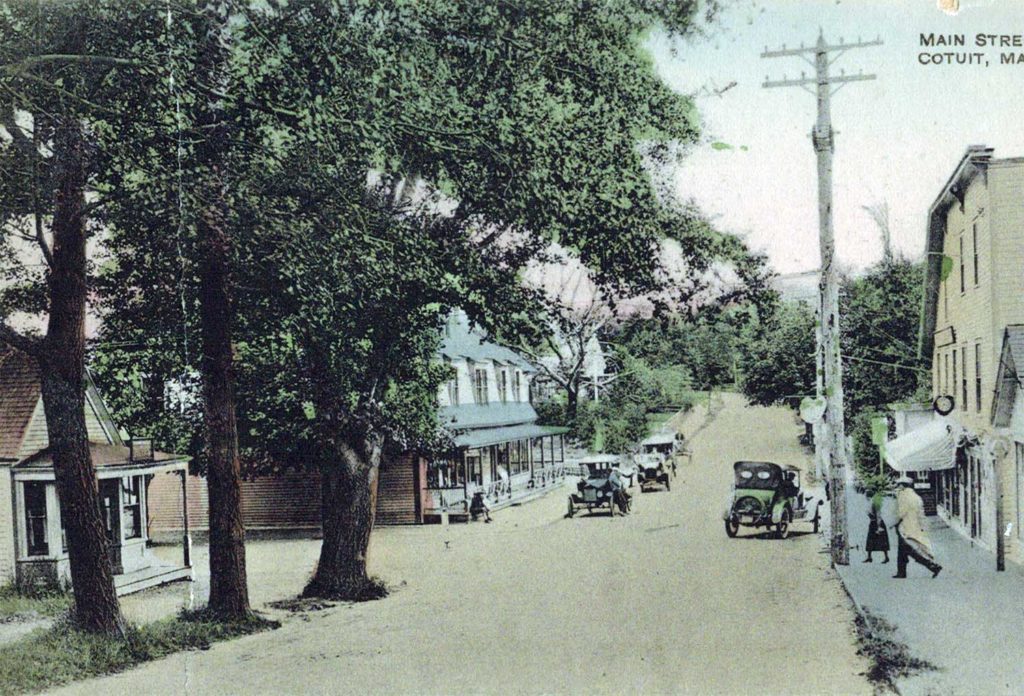
Main Street. School Street intersection on left.
Collection Fran Parks
In 1924, a fire in the center of Cotuit’s business district burned out two stores, destroyed three buildings, and severely damaged two others. In 1925, the Santuit House burned to the ground. In 1926 a fire badly damaged the handsome estate on Bluff Point. The Cotuit Fire Department, Cotuit Chemical Company Number 1, conscientious but handicapped by lack of equipment, had already begun a search for remedies to these disasters. In July of 1925 it had appointed a committee to investigate the establishment of a Cotuit Fire District. The history of Cotuit Chemical Company, written and read to the Historical Society in 1959 by E. Ormand Dottridge, Jr., records at this committee, named by Fire Chief Ernest 0. Dottridge, consisted of E. Ormand Dottridge, Jr., Freeman M. Nicker son, and Bertram F. Ryder.
Cotuit had so small a population that it could not legally form its own District without special enabling legislation passed by the Great and General Court of the Commonwealth of Massachusetts. The Fire Department committee, therefore, approached state representative Harry Albro. He introduced the necessary bill into the Massachusetts legislature, where it receive final approval on May 8, 1926.
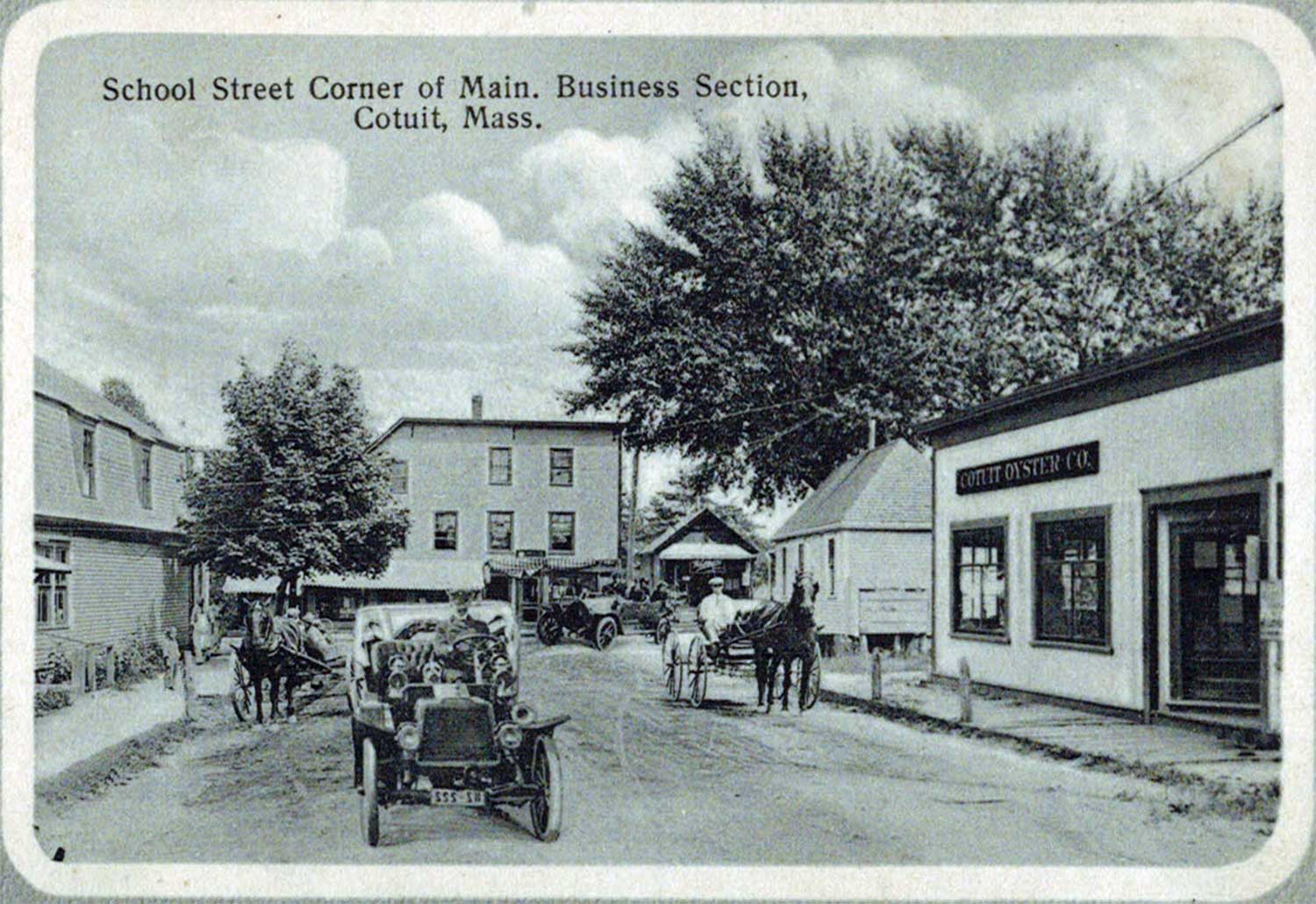
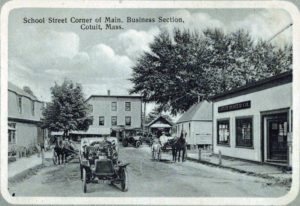
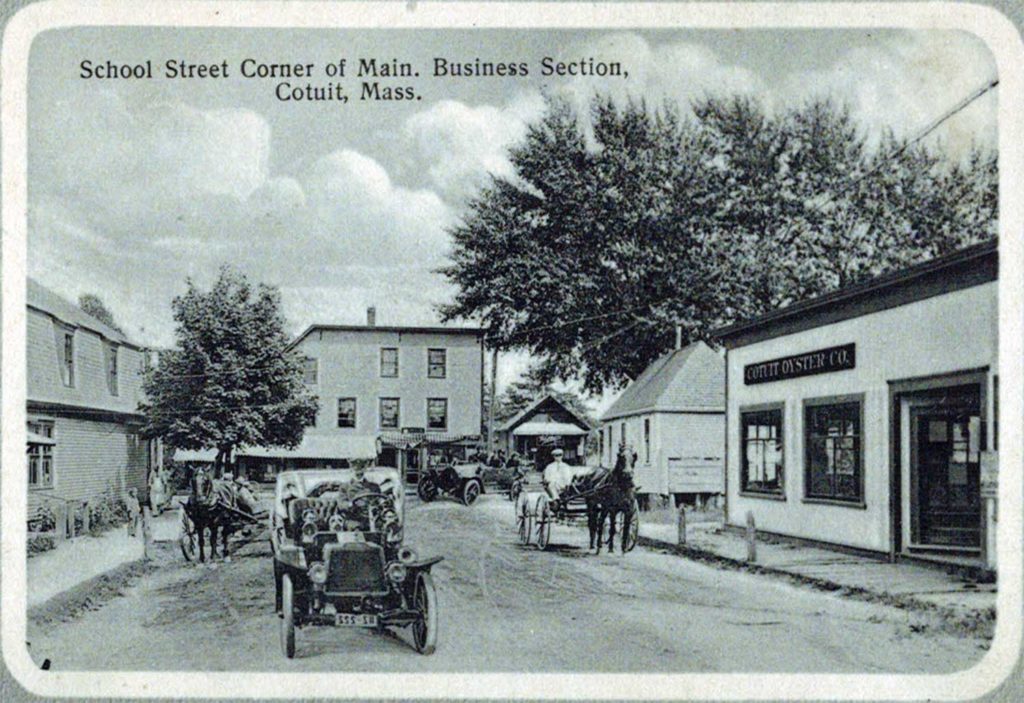
School Street facing Main Street.
Collection Fran Parks
There were six sections to this enabling act. Section 1 established the District in accordance with the lines of Precinct 7 of the Town of Barnstable as laid out in 1894 and subsequently revised. Section 2 authorized the District to purchase fire equipment, to provide hydrants and a water supply, to provide street lights and sidewalks, and to plan “for any other thing that may lawfully be done by said District” according to state law. Other sections gave the Prudential Committee the authority to hire policemen and watchmen, permitted the District to raise money by taxation, and detailed the procedure for calling the first meeting. The final section provided that the Act would take effect on acceptance by a majority of qualified voters voting at a meeting called for that purpose.
Under Section 5, the first meeting of the District would be called when five or more voters petitioned the Selectmen of the Town of Barnstable to call such a meeting and to prepare a warrant for it. The Fire Department committee wasted no time. A petition was presented to the Selectmen on June 1, 1926. Two of the signatories were Alexander Seabury Childs, who was ordered by the Select men to post notice of the first meeting, to be held on June 18, 1926, at Freedom Hall “at eight o’clock in the afternoon”, and E. Ormand Dottridge, Jr., who called the first meeting to order. The warrant was signed by Selectmen Edgar W. Lovell, Howard N. Parker, and William Lovell.
Attendance at that first meeting was slim. Only 28 voters cast ballots. After Ormand Dottridge had called the meeting to order and the warrant had been read, Calvin D. Crawford was elected temporary clerk from a list of eight nominees, and Alexander S. Childs was chosen Moderator. Then came the critical ballot on whether or not to accept the enabling legislation and actually establish the Cotuit Fire District. The final tally showed 22 affirmative votes, 6 negative. As of that moment, the Cotuit Fire District was a legal entity, those six doubters and several hundred absent voters notwithstanding.
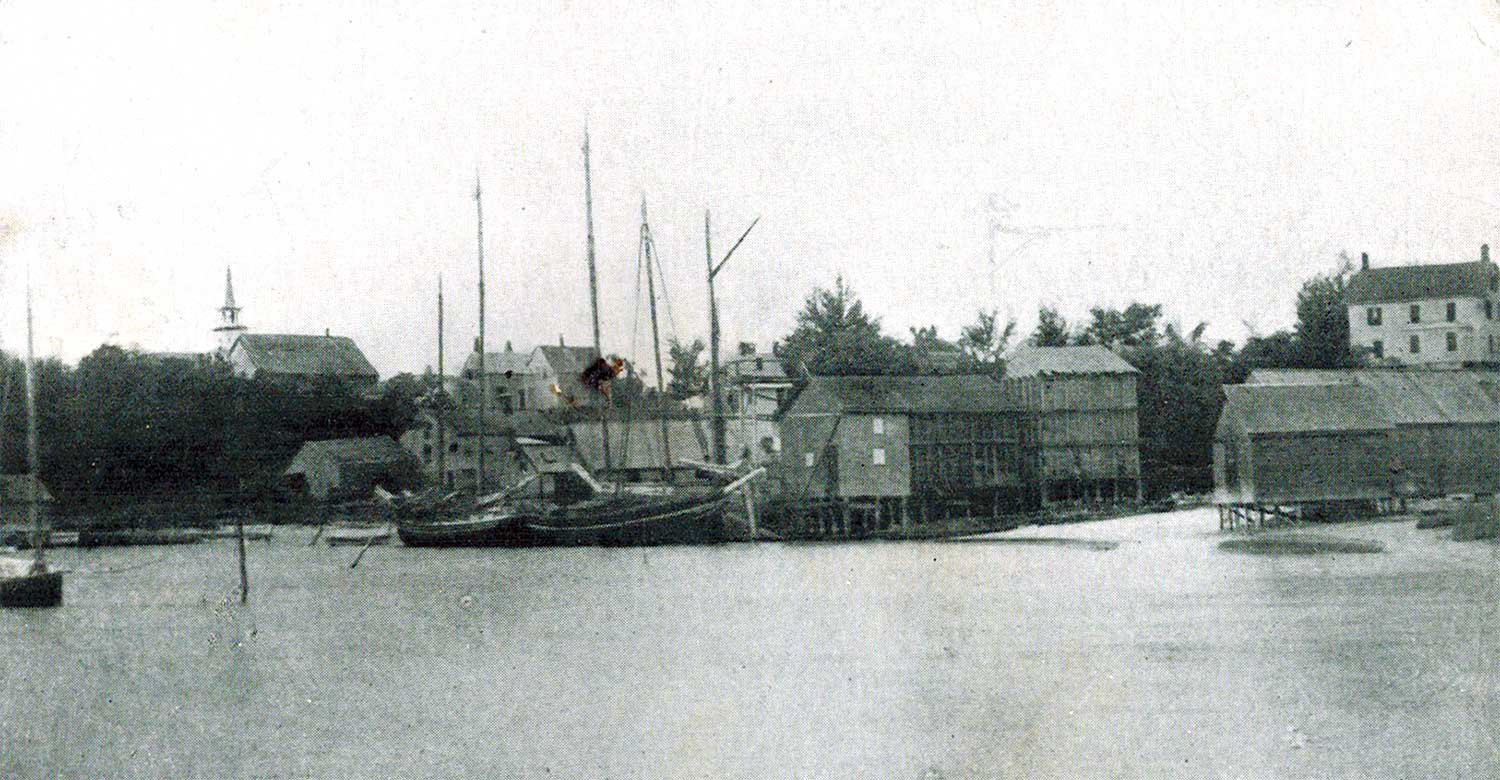
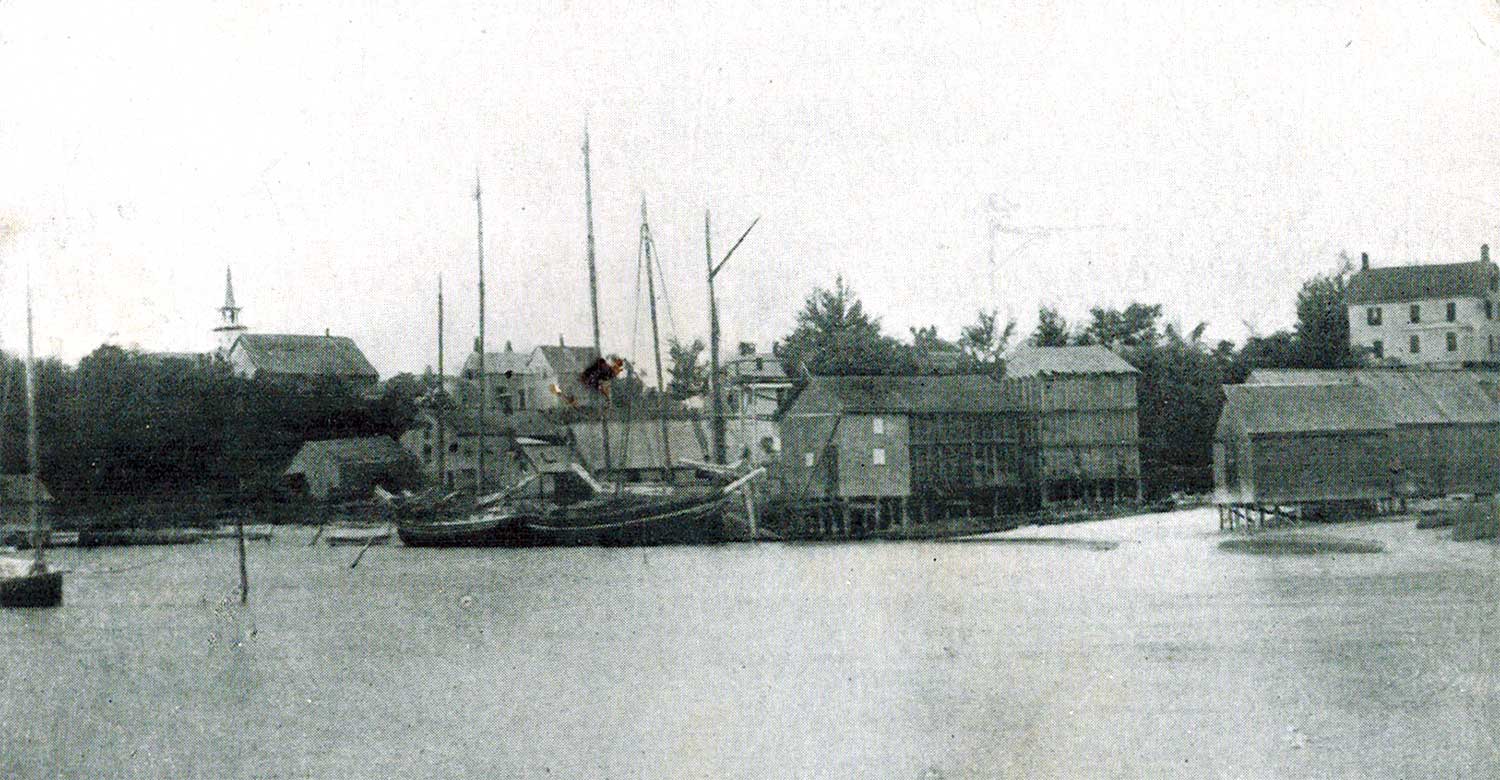
Wharf-Town Dock
Collection Fran Parks
By-laws for the new District had been prepared in advance and were now voted. They provided, among other things, that the Annual Meeting was to be held the second Monday in April and that all members of the Fire Department were to have framed copies of the by-laws hanging in their homes. This latter requirement is still among the official by-laws of the District. Ironically, at the District Meeting in 1967 a major complaint of the voters was that most people, in or, out of the Fire Department, had never seen a copy of the District by-laws.
After the adoption of by-laws in that first meeting, a recess was called to permit a nominating committee to prepare a slate of names for the first officers of the District. Though there is no record of who served on the nominating committee, older residents report that the names of a number of committee members appeared on the slate finally offered, a fact which may have been the basis for some of the personal frictions which intruded on District business in early years.
The first officers elected by the District were:
- Prudential Committee: Edgar W. Lovell, Ezra J. Gifford, and Calvin D. Crawford
- Clerk: Peter Campbell
- Treasurer: .Joseph Wendell Hamblin
- Chief Engineer: Thomas D. Rennie
- First Assistant Engineer: Milton H. Rocker
- Second Assistant Engineer: Freeman M. Nickerson
- Auditors: Ernest 0. Dottridge, Horace Nickerson, William H. Perry
The final business of the meeting was to direct the Prudential Committee and the Board of Engineers to investigate fire protection and its cost and to report to the next regular meeting.

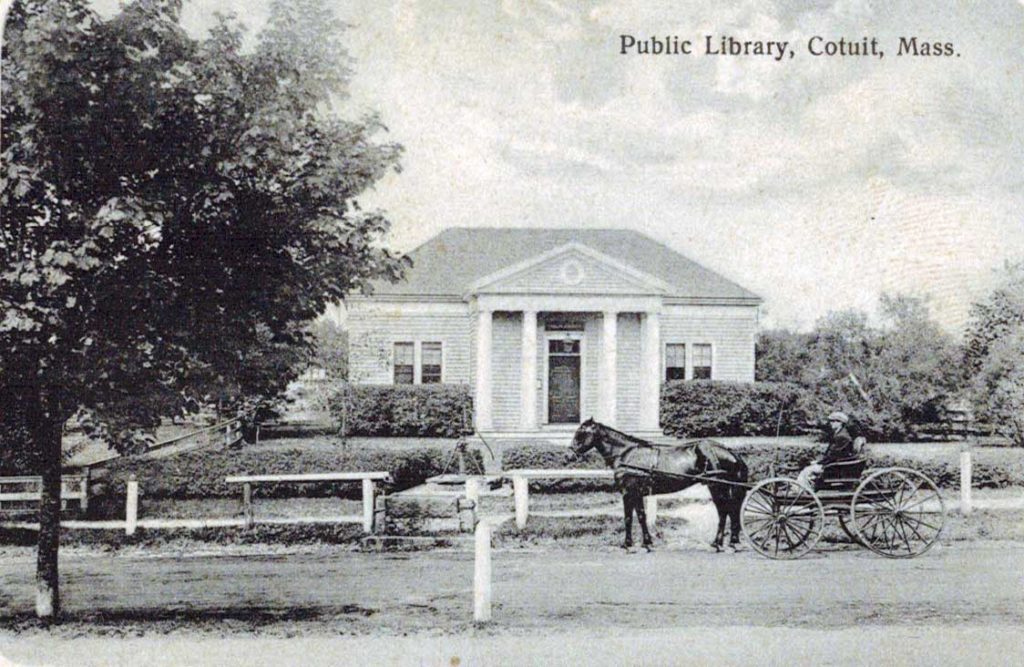
Cotuit Library Collection Fran Parks
There were two special meetings of the District in 1926. In August, the District voted to accept the equipment, buildings, and funds of the Cotuit Fire Department. Thus ended the existence of Cotuit Chemical Company Number 1. At that meeting, too, $1,000 was appropriated to cover all District expenses for the year. In September, the resignations of the Treasurer and the Chief Engineer were accepted. Herbert L. Snow was elected Treasurer, an office he was to hold from that time until his retirement at the 1967 Annual Meeting last February. The election for Chief Engineer was typical of the strong competition for that post which was to continue for many years. Alexander Seabury Childs was elected with 19 of the 38 votes cast. W. Christie Rennie received 18 and Milton H. Crocker 1. The results of this election were reversed at the following Annual Meeting when W. Christie Rennie was elected and reversed again in 1928 when Seabury Childs again became Chief. Such changes in the Board of Engineers have occurred more frequently than in any others of the District offices.
The pattern for handling the District’s business was set in that first year. There were subsequent shifts of the date of the Annual Meeting, first to the second Monday in March, then to the second Monday in January, and finally in 1938 to the present date, the second Monday in February. Occasional efforts were made to extend the scope of the District officers’ responsibilities. Perhaps the most ambitious was undertaken in 1929 when the voters approved a resolution offered by Calvin D. Crawford ordering that “the Moderator and Clerk appoint a Committee to consist of one man from the Oyster business, one from the Cranberry business, one connected with the summer people, a farmer, and one of the retail store men to study periodic unemployment in our District, and to derive means of overcoming it.”
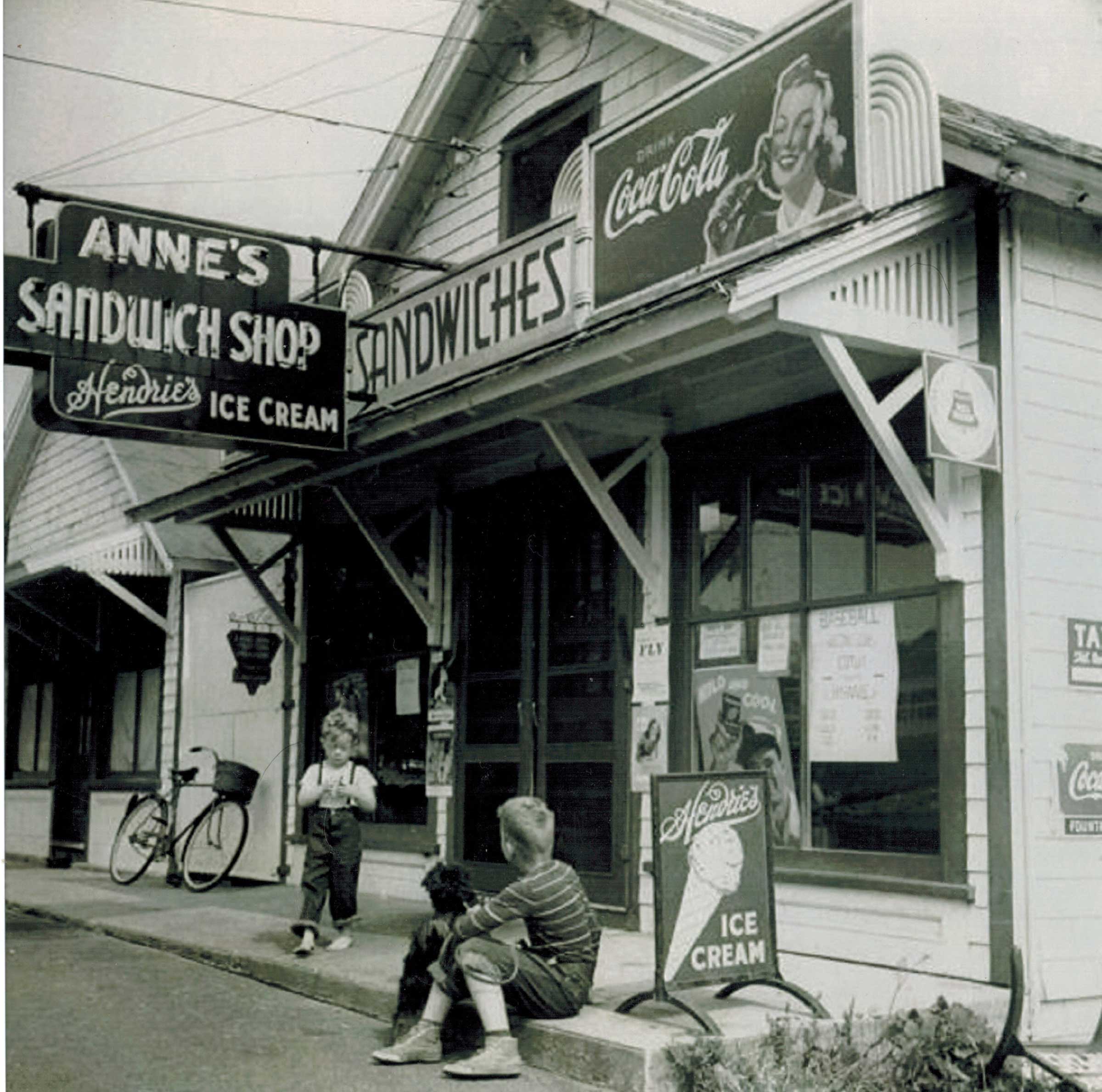
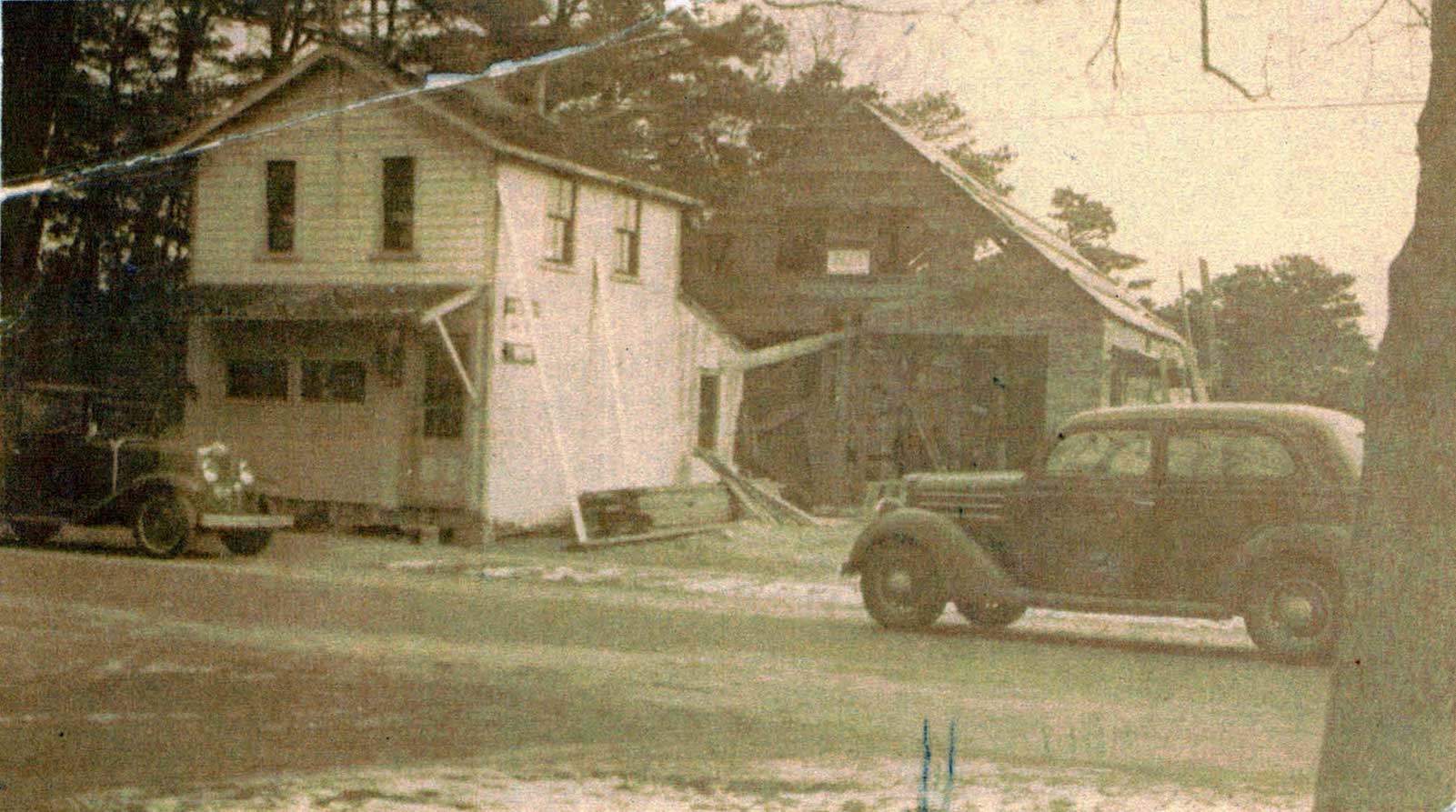
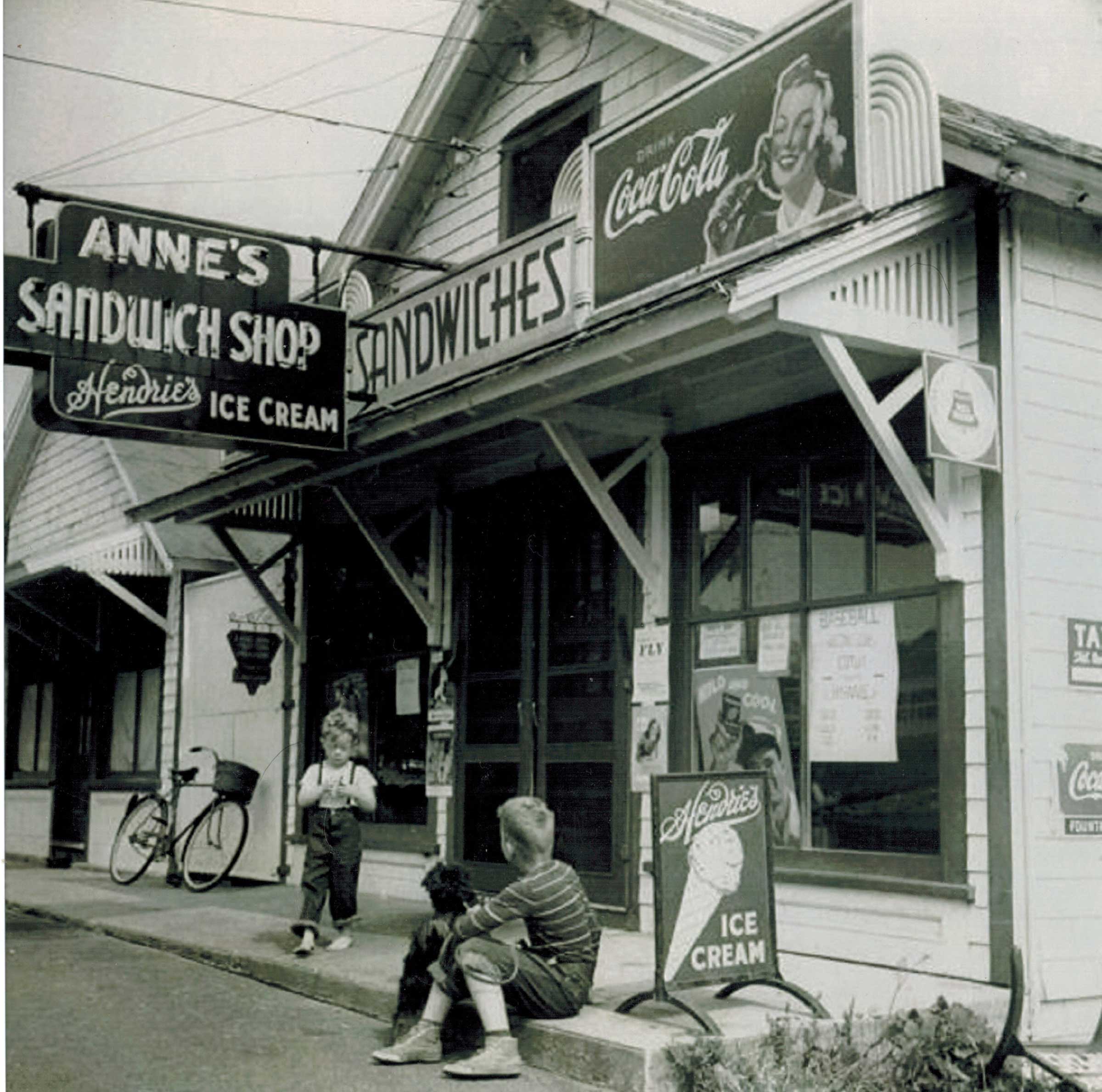
Anne’s Sandwich Shop. Current site of the Kettle Ho. 1946. Collection Fran Parks
As much as one might like to know the results of its deliberations, there is no record of this committee’s ever having issued a report. And though the feeling has often been expressed that the members of the Prudential Committee should act as the “town fathers”, the officers of the District have generally stayed close to their defined responsibilities of the enabling legislation, to provide fire protection, water, and street lights. For the purposes of this paper, it seems best now to consider these functions separately.
MISCELLANEOUS:
The handsome seal of the Cotuit Fire District was designed by Cotuit’s favorite artist, Reginald F. Bolles, and presented to the District at a special meeting in July of 1939. The framed original still hangs in Freedom Hall.
This District branched out into two other activities not provided for in its original enabling Act. Both of these were brought to the Annual Meeting in 1949. The Firemen’s Association felt the District should set up a World War II memorial in Memorial Park. Frederick Harlow and Calvin Crawford thought the financially hard-pressed Cotuit Library should have support from the District. The voters authorized the Prudential Committee to proceed with both these matters, which required special enabling legislation, In 1950, the District voted to accept Chapter 351, Acts of 1949, entitled “An Act authorizing Cotuit Fire District to raise and appropriate money for the benefit of the Cotuit Public Library and for the purchase of War Memorials in said District.” $1,000 was appropriated to purchase a suitable World War II memorial and to place it and the World War I memorial in the park. A special committee of William H. Perry, Jr., Antone R. Souza, Robert F. Hayden, John Botello, and I. Louis Campbell was appointed to see to this matter. An additional $200 was appropriated in 1951 to complete the work. At the same time an annual appropriation of $250 for the Cotuit Library was begun. In 1967 the figure was increased to $500.
One final word should be said about finances. The total expenses of the District in its first year of existence were $336.07. That was at a time when the voters were still wary of their new creation and especially of new taxes. As the years have passed, however, more and more services have been demanded of the District, and costs have risen inevitably. The Cotuit Fire District is the only district in the Town which owns and maintains a Hall – or which contributes to the local public library. It has one of the purest water supplies in the area and a strong fire department. It also has the smallest population of any district in the Town. As a result, taxes have gone up. As recently as 1947 the tax rate was only $2.90 per thousand, though it had been as high as $4.90 ten years earlier. By 1966 the rate was up to $8.00 and may go higher in 1967. The bonded indebtedness of the District has increased rapidly, especially as a result of Water Department construction. The one thing that has kept the tax rate from going completely out of bounds has been the steady -increase in the District property valuation. In 1937 the valuation was $2,620,690. Thirty years later, the 1966 valuation was $5,162,990, almost exactly twice as high.
There are two traditions of the Cotuit Fire District that come together here in discussing finances, traditions that might well be taken as summary comments on the whole history of the District. These are the traditions of service and frugality. The appendix of this paper lists all the officers of the District, and there one can see the names and years of service of many individuals who had as their chief concern the welfare of the community they all loved. And the records of their meetings and deliberations show clearly not only that love but also their Yankee sense of those things their community needed and of those things which they could get along without. Knowing which is which is still the problem every conscientious voter faces when the second Monday in February rolls around each year.
Prudential Committee
Moderator
| Edgar W. Lovell | 1926-1929 |
| Ezra J. Gifford | 1926-1937 |
| Calvin D. Crawford | 1926-1944 |
| Milton H. Crocker | 1930-1945 |
| Theron Apollonio | 1937-1942 |
| Frederick L. Harlow | 1943-1952 |
| Walter C. Scudder | 1944-1967 |
| Cecil Goodall | 1945-1950 |
| Robert F. Hayden | 1951-1963 |
| Joseph H. Beecher | 1952-1961 |
| Gordon M. Browne, Jr | 1961- |
| Robert S. Behlman | 1963- |
| Allan F. Crawford | 1967- |
Moderators are listed for Annual Meetings only. Quite often, especially in the early years of the District, a different Moderator was appointed for each special meeting.
Clerk
| Peter Campbell | 1926-1933 |
| Everett L. Hoxie | 1933-1937 |
| F. Maynard Gifford, Jr. | 1937-1966* |
*resigned in 1966 but was reelected.
Treasurer
| Joseph Wendell Hamblin | 1926* |
| Herbert L. Snow | 1926-1967 |
| Marjorie S. Greenwood | 1967- |
*resigned September 22, 1926
Auditor
| Ernest 0. Dottridge | 1926-1937 |
| Horace Nickerson | 1926-1930 |
| William H. Perry | 1926-1936 |
| Bertram F. Ryder | 1930-1960 |
| Charles N. Savery | 1936-1937 |
| Udell Perry | 1937 |
| Edward Bearse | 1937-1939 |
| John Newton | 1939-1941 |
| Edward Meacham | 1941-1950 |
| Theron Apollonio | 1951- |
| Joseph H. Beecher | 1961-1965 |
| Harry Crocker | 1965- |